01
Independent vending operators
Mixed-brand supply for operators managing several locations, product preferences and restocking cycles.
Build a vending-ready energy drink assortment with recognised brands, factory-sealed cases, mixed-case pallet options and recurring B2B supply. Woove GmbH supports professional vending operators with product-version confirmation, DAP/DDP delivery options and structured quotations from Germany.
Vending procurement is not the same as general wholesale buying. Operators need commercially recognisable products, predictable case handling, suitable pack formats and enough assortment flexibility to manage different machine locations without overloading inventory.
Mixed-brand supply for operators managing several locations, product preferences and restocking cycles.
Multi-pallet and repeat-order structures for businesses replenishing workplace, education, leisure and public-location machines.
Recognised energy drink options for offices, factories, universities, hospitals and managed facilities.
Brand and variant mixes for fitness centres, sports facilities, entertainment venues and high-footfall leisure locations.
Case-based purchasing for unattended retail environments requiring broader choice than a traditional spiral machine.
Pallet, FTL and export structures for companies resupplying operator networks or regional depots.
The right mix depends on machine format, local demand, price point and restocking frequency. Available variants, can sizes, labels and case formats are confirmed before quotation.
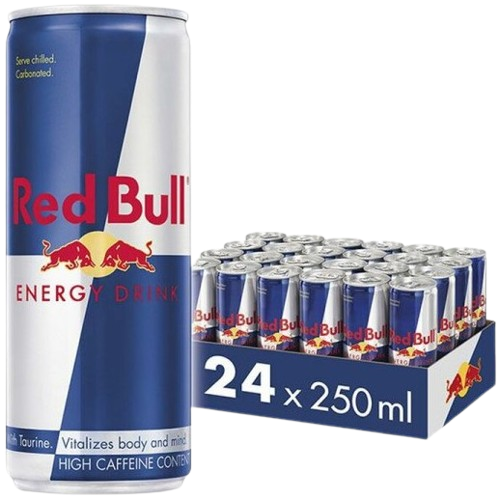
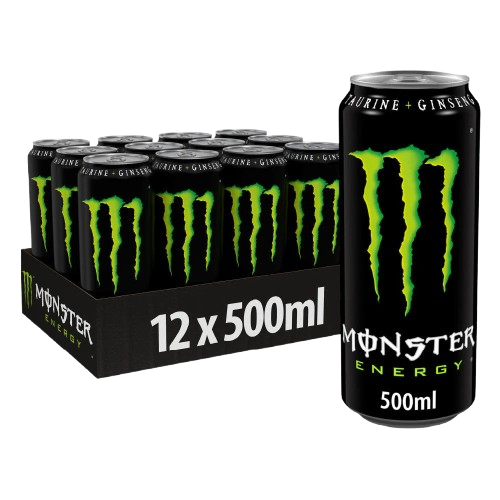
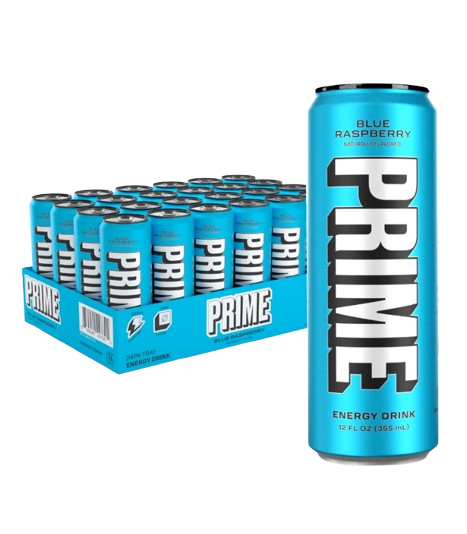
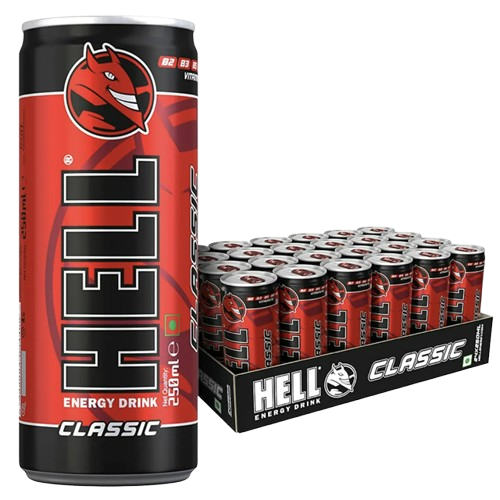
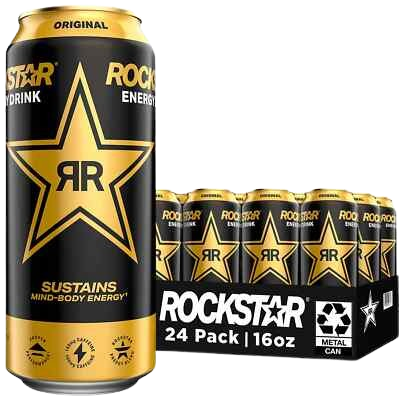
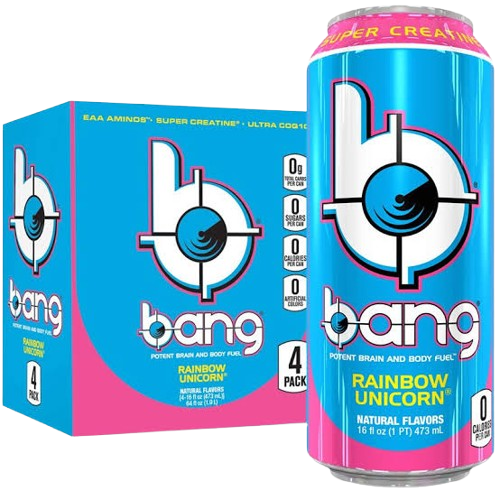
Brand popularity is only one part of a vending decision. Operators should validate the exact can or bottle format, case configuration and machine setting before committing a product across multiple routes.
| Check before ordering | Why it matters for vending | How it is handled |
|---|---|---|
| Can or bottle size | Diameter, height and weight affect spiral, column and shelf compatibility. | The offered size and product version are recorded in the quotation. |
| Case and tray format | Case quantity affects warehouse handling, route loading and refill planning. | Factory-sealed case structure is confirmed before order acceptance. |
| Label language and market version | Product presentation and resale compliance vary by destination. | Available label or market version is confirmed where relevant. |
| Best-before date | Route velocity must suit the remaining selling period. | Batch/BBD confirmation can be supplied; actual shelf life is confirmed per offer. |
| Machine vend test | Products can behave differently across spirals, columns and drop mechanisms. | Operator should test samples or a limited quantity before network rollout. |
| Retail price and margin | Price point influences product selection and route profitability. | Wholesale price is quoted by product, quantity, destination and terms. |
The right order model reduces dead stock without creating frequent emergency purchases. Product allocation and the practical case mix are confirmed in the written offer.
Useful for multi-location operators testing demand or balancing premium, core and sugar-free choices. Built from sealed cases.
Best for proven high-velocity products with predictable machine demand and efficient depot handling.
Repeat-order schedules can be discussed for qualified accounts where stock allocation and acceptable substitutions are agreed.
For large route networks, vending wholesalers and export distributors requiring higher-volume replenishment.
Woove supplies products and commercial information; the operator controls telemetry, route scheduling and machine-level inventory. A useful enquiry should connect the requested products with realistic refill frequency and depot capacity.
Use established sellers as the base assortment before expanding into additional flavours or trend-led products.
Identify which brands or variants can be substituted if the requested allocation is unavailable.
Compare expected case movement with remaining shelf life, storage capacity and planned replenishment dates.
Plan enough reserve stock for refill cycles without creating unnecessary ageing inventory.
Workplace, education, gym and public-location machines can require different brand and price mixes.
Qualified recurring accounts should communicate expected volumes and order timing early enough for allocation review.
Delivery feasibility, DDP availability, lead time and documentation are confirmed by destination and order scope. The written quotation states what is included.
Complete product and route information reduces delays and prevents the wrong product version or case structure from reaching the operator.
Provide company, depot, countries served, machine types, number of routes and expected buying frequency.
List brands, variants, preferred can sizes, case quantities, pallet quantities and acceptable alternatives.
Available product versions, sealed-case formats, labels and shelf-life ranges are checked.
The operator reviews machine compatibility, intended locations, retail price and planned restocking volume.
Product, quantity, pallet structure, commercial price, payment terms, Incoterm and delivery scope are recorded.
After confirmation, stock is allocated, applicable documents are organised and delivery is coordinated.
Final products, sizes, pallet configurations, shelf life and delivery terms are confirmed in writing because stock and route conditions can change.
Use these supporting pages for detailed product, mixed-pallet, logistics and regulatory information.
Review brands and commercial order formats.
Understand sealed-case mixing and pallet configuration.
Review recurring, FTL and distribution-focused supply.
Review DAP, DDP, pallet, FTL and export support.
Read about labelling and resale considerations.
Browse pricing, import and market-planning guides.
Include machine formats, operating markets, brands, acceptable can sizes, case or pallet quantities, depot destination and planned reorder frequency. Complete enquiries can normally be reviewed on the same business day.