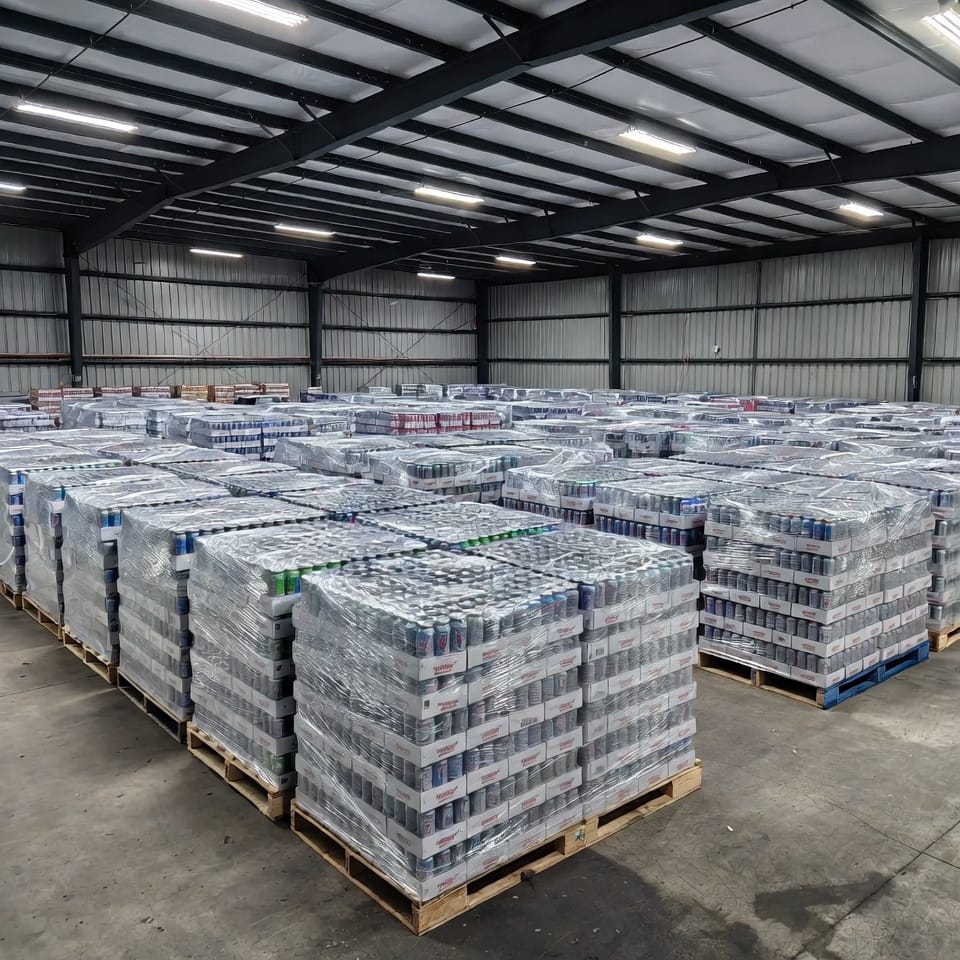
Choosing a wholesale energy drink supplier in Europe is not only about price. Professional buyers need verified documentation, predictable logistics, consistent stock allocation, and compliance that holds up at customs. This guide explains how to source energy drinks wholesale in Europe the right way, what to check before you buy, and how to avoid costly mistakes.
Want a fast quote with a clear loading plan? Share destination, brands and quantities here: Request a Quote. Or browse available brands: Wholesale Products.
Wholesale Energy Drink Supplier in Europe: What Buyers Should Know
The best buyers treat sourcing like a checklist: verify the supplier, confirm the paperwork, choose the right ordering model (mixed pallet vs full pallet vs container), and lock in logistics that match your destination and timelines. This approach protects margin and reduces risk.
1) Choose the right brands for your market
The fastest way to improve sell-through is to focus on high-recognition brands and proven formats. In Europe, most wholesale buyers prioritize reliable core SKUs first, then add seasonal or trend-driven lines once supply is stable.
High-demand wholesale brands (common B2B mix)
- Red Bull wholesale – strong repeat demand in most EU markets
- Monster wholesale – wide flavour range and strong large-format demand
- PRIME wholesale – trend-driven demand (market dependent)
- Rockstar wholesale – solid performance in select retail channels
- HELL wholesale – high-volume positioning in parts of Europe
- Bang wholesale – niche demand (format and destination dependent)
Practical rule: build a core pallet that sells fast, then add a smaller percentage of new flavours for testing. It protects cash flow and reduces dead stock.
2) Understand wholesale pricing (and what drives it)
Wholesale energy drink pricing changes with availability, demand, format (can size and case pack), and destination. A serious supplier will quote clearly by quantity tier (mixed pallet, full pallet, container) and confirm what’s included in the offer.
Pallet pricing
Ideal for testing markets, building mixed SKUs, and serving multiple channels. Always request case configuration, pallet configuration, and a loading plan before confirming.
Container pricing
Best unit economics and predictable supply planning. Most suitable for importers and large distributors with stable demand.
Red flag: pricing far below market average without verified company details and a transparent paper trail. That “discount” often becomes delays, disputes, or blocked imports.
3) EU compliance: how to verify a supplier in minutes
Europe is compliance-heavy, and that’s good for professional buyers. Before placing a wholesale order, verify your supplier using official databases and confirm that the shipment will include the correct paperwork for your destination.
Recommended verification checks (authoritative outbound resources)
- Validate VAT using the official VIES VAT Checker.
- Check packaging compliance in Germany via the LUCID Packaging Register.
- Confirm company registration through Handelsregister (German Corporate Register).
Compliance isn’t optional. It reduces risk of seized shipments, rejected customs entries, and payment disputes. If a supplier avoids verification questions, choose another source.
4) Shipping, Incoterms, and export documents
Logistics is where wholesale deals succeed or fail. A strong supplier helps you choose the correct shipping method and confirms the document pack that fits your destination.
Incoterms: agree in writing
Confirm delivery terms (Incoterms) on the quotation and invoice. If you need a quick reference, use the official guidance from the International Chamber of Commerce (ICC).
Typical documents for export-ready wholesale shipments
- Commercial invoice + packing list
- Dispatch details + tracking reference (issued on dispatch)
- Export declaration (where applicable)
- Certificate of origin (when required by destination)
- HS codes for customs classification (EU reference: TARIC)
Freight options (examples)
Depending on the route, you may ship pallets or containers using established networks such as DHL, Maersk, and DB Schenker. Confirm final routing, service level, and insurance coverage on your quote.
For shipping support and documentation guidance, you can also review our logistics page: Shipping & Logistics.
5) Mixed pallets: test demand and protect margin
Mixed pallets are ideal if you serve multiple customers (retail, vending, e-commerce) or want to test flavours without locking cash into slow movers. Done correctly, a mixed pallet improves inventory turnover and helps you scale into full pallets or containers with confidence.
A simple mixed-pallet strategy
- 70–80% core SKUs (fast movers)
- 20–30% trend flavours or seasonal editions (testing)
- Match formats to your channel (retail vs vending vs horeca)
Start from the brand pages, then request a quote with flavours and quantities: Contact Woove GmbH.
6) Common mistakes that cost wholesale buyers money
- Buying purely on price without verifying VAT/company registration and documentation
- Not confirming Incoterms and who carries risk during transport
- Over-ordering slow flavours before testing demand
- Skipping a loading plan (case pack, pallet count, container configuration)
- Ignoring destination-specific import rules and labeling expectations
Want a safer buying process? Start with verified supply and clear paperwork. Browse brands: Wholesale Products and request a quote: Contact Us.